




Planning a home extension in 2026 is an exciting milestone. Whether you are looking to create a sprawling open-plan kitchen or a dedicated home office, the prospect of adding value and space to your property is significant. However, without a meticulous approach to financial planning, what should be a rewarding project can quickly become a source of stress.
At Parker Grears Developments Limited, we believe that transparency is the foundation of a successful build. As experienced custom extension builders in Nuneaton, we have seen how easily budgets can deviate from the original plan due to common oversights. To help you navigate your project successfully, we have compiled the seven most frequent budgeting mistakes homeowners make and, more importantly, how you can fix them before the first brick is laid.
1. Forgetting to Calculate the "Hidden" 20% VAT
One of the most frequent and costly mistakes in extension budgeting is failing to account for Value Added Tax (VAT). When you receive quotes from various suppliers or look at material costs online, prices are often displayed "net" or excluding VAT.
For most residential extension work in the UK, the standard rate of VAT is 20%. If your build cost is estimated at £100,000, failing to include VAT means you are actually looking at a £120,000 bill. This £20,000 discrepancy is enough to halt a project entirely or force significant compromises on the quality of finishes.
How to fix it:
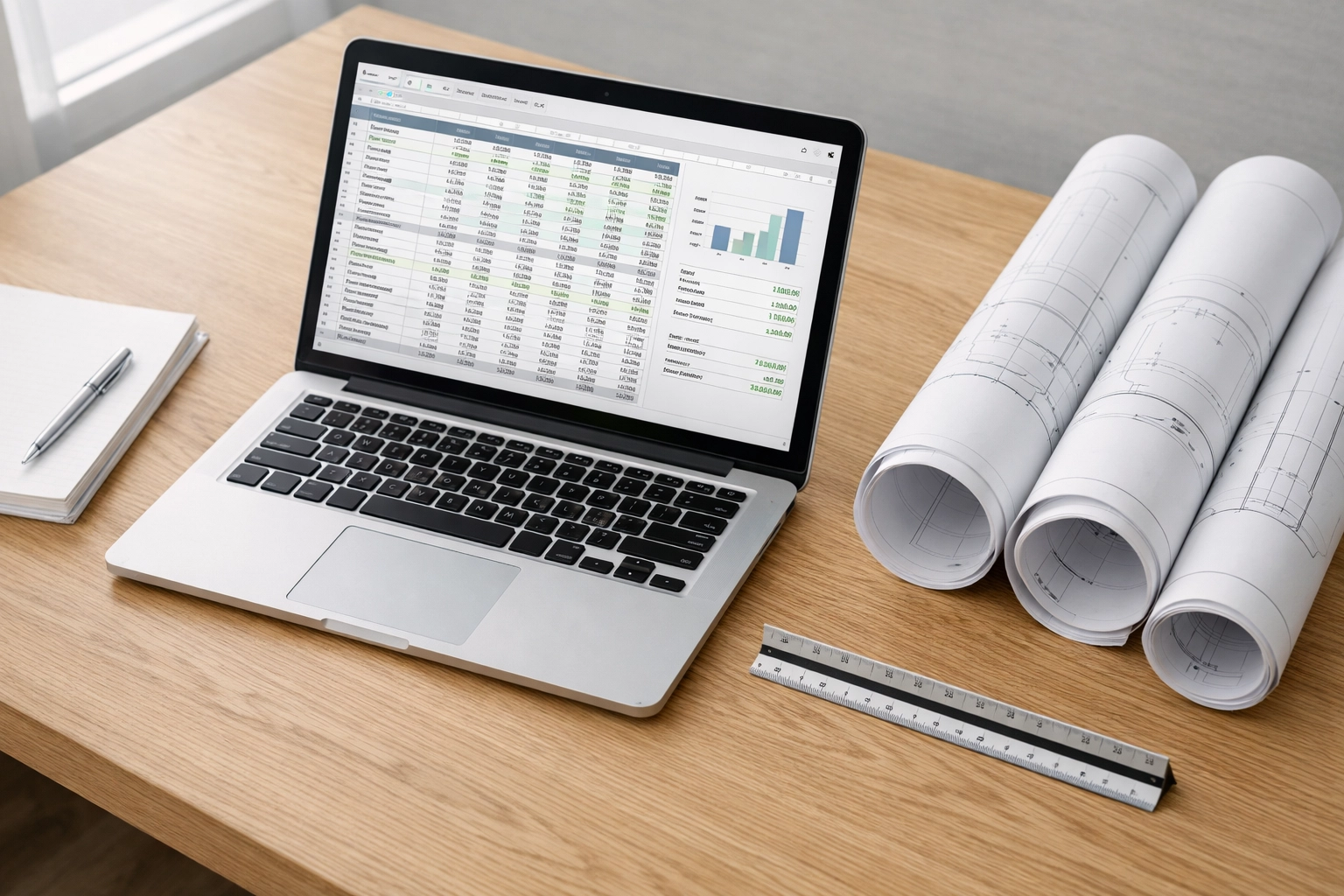
Always ask your contractors and suppliers if the figures provided include VAT. When creating your internal spreadsheet, create a dedicated column for VAT so you can see the gross total of every line item. If you are working with custom extension builders in Nuneaton, ensure their formal quotes explicitly state whether VAT is included to avoid any ambiguity.
2. Underestimating the 2026 Market Rates
The construction landscape has shifted significantly over the last few years. If you are basing your budget on a friend’s extension from 2021 or 2022, your figures will likely be inaccurate. In the current 2026 market, material costs and labour rates have stabilised but remain higher than in previous years.
Currently, a realistic starting point for a high-quality extension is approximately £2,500 per square metre (m²) plus VAT. This figure covers the build to a "shell" stage with standard internal finishes. If you are aiming for high-end bespoke features or complex architectural designs, this figure will increase.
How to fix it:
Base your initial feasibility study on the £2,500/m² benchmark. For a 40m² extension, you should be looking at a base budget of £100,000 plus VAT as a starting point. Avoid the temptation to "lowball" your estimate to make the project feel more affordable; it is better to be pleasantly surprised by a lower quote than to be unable to finish a project because you ran out of funds.
3. Ignoring Potential Structural Surprises
Every renovation or extension project involves an element of the unknown, particularly once ground is broken or walls are opened. Structural surprises, such as finding inadequate existing foundations, discovering old drainage pipes that need rerouting, or uncovering damp issues, can add thousands to your bill in the first week of construction.
Many homeowners allocate their entire budget to what they can see (the walls, the roof, the kitchen) and forget the expensive work that happens underground or behind the plasterboard.
How to fix it:
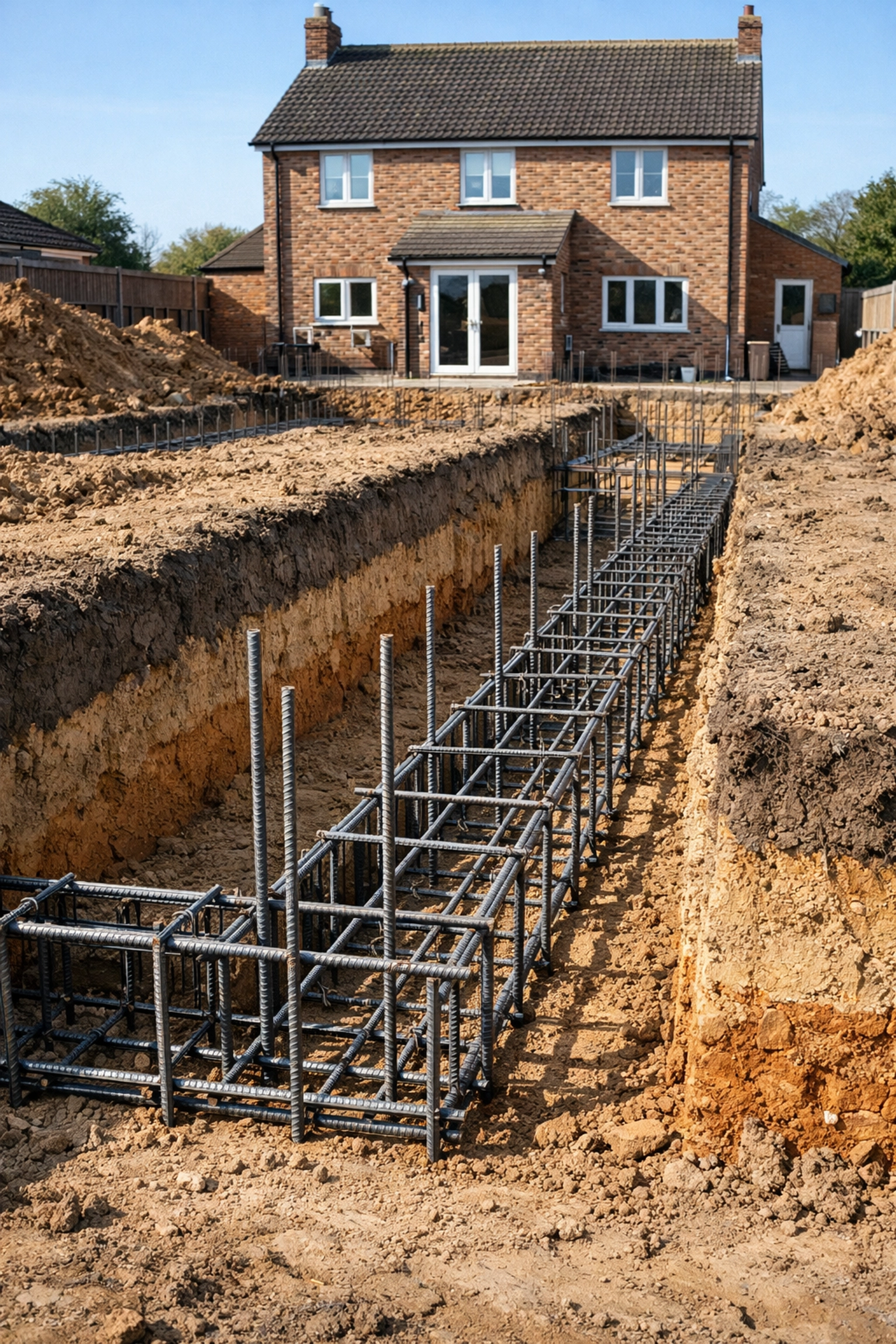
Invest in a professional site survey and, if necessary, trial pits before you finalise your budget. This allows your builder to understand the soil conditions and the state of your current property’s structure. While this involves an upfront cost, it significantly reduces the likelihood of expensive "surprises" during the build phase.
4. Overlooking Landscaping and External Finishes
An extension is not an isolated box; it exists in relation to your garden and the rest of your property. Heavy machinery, excavations, and the constant footfall of tradespeople will inevitably take a toll on your outdoor space.
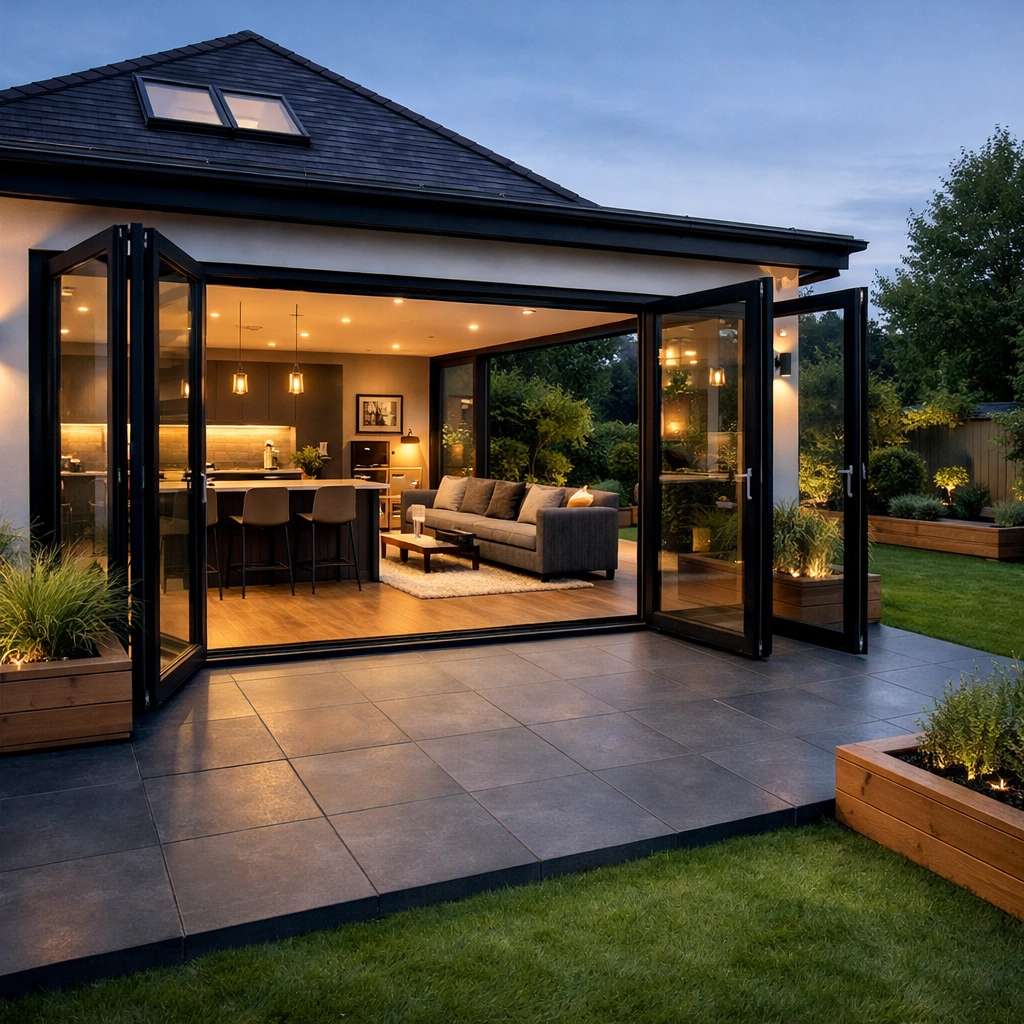
We often see homeowners reach the end of a build with a stunning new room, only to realise they are looking out onto a "mud pit" where their lawn used to be. Restoring a garden, laying new paving to match the extension, or installing exterior lighting are all costs that are frequently left out of the initial budget.
How to fix it:
Include a "Landscaping" line item in your budget from day one. Even if you plan to do the gardening yourself, you will need funds for materials, waste removal, and professional paving. Aim to allocate at least 5-10% of your total build cost to external works to ensure the outside of your home matches the quality of the inside.
5. Choosing the Wrong Professionals Based Solely on Price
It is tempting to opt for the lowest quote you receive, but in the construction industry, the cheapest price rarely offers the best value. Extremely low quotes often mean the builder has missed items, is using inferior materials, or, most commonly, does not have the adequate insurance and project management support required for a high-quality result.
Poor workmanship leads to "paying twice", once for the initial work and again to have a reputable company fix it.
How to fix it:
Perform due diligence when selecting your team. Look for established custom extension builders in Nuneaton with a local reputation and a portfolio of completed work you can actually visit. Compare quotes item-by-item rather than looking only at the bottom line. If one quote is significantly lower than others, ask why. Professional builders will provide a detailed breakdown of costs, giving you confidence that every aspect of your project is covered.
6. Complicating Design Over Functionality
A common mistake is getting swept up in architectural trends that add significant cost without adding equivalent value or functionality. For example, large spans of glass, cantilevered roofs, or moving existing soil pipes and gas meters can drastically increase structural engineering and labour costs.
While bespoke design is the hallmark of a great extension, every "non-standard" feature adds a layer of complexity and cost to the budget.
How to fix it:
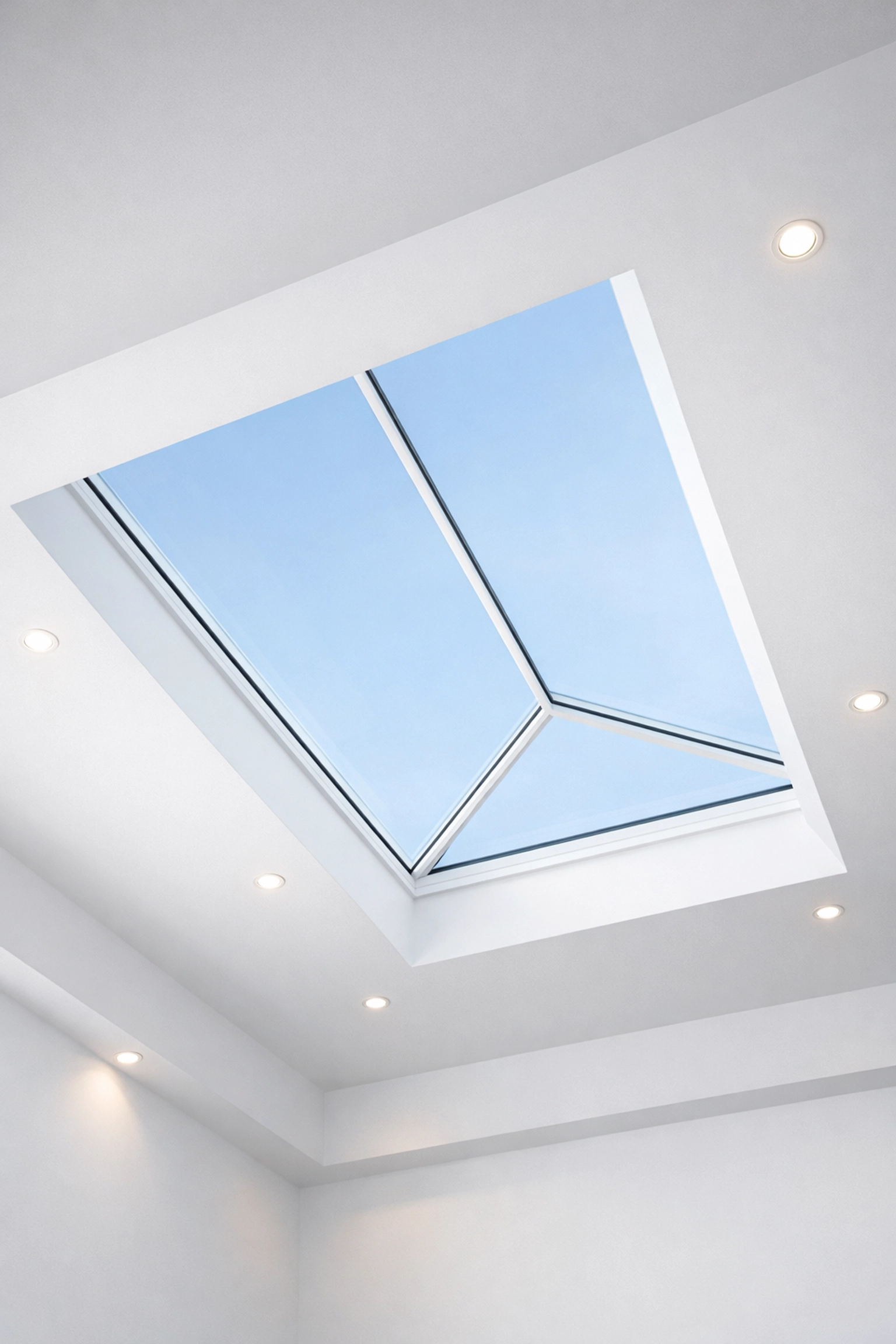
Work closely with your builder and architect to identify "value engineering" opportunities. This doesn't mean compromising on quality; it means finding the most efficient way to achieve your vision. For instance, using standard-sized roof lanterns or windows can be significantly cheaper than bespoke units while providing the same aesthetic impact. Prioritize the "bones" of the building and the flow of the space over expensive, trendy finishes that can be updated later.
7. Neglecting the 10-15% Contingency Fund
No matter how well-planned a project is, things change. You might decide to upgrade your flooring halfway through, or a specific material might become unavailable, requiring a more expensive alternative. A "contingency fund" is not a luxury; it is a fundamental requirement of responsible budgeting.
Many homeowners use their contingency fund to pay for the initial build, leaving them with zero breathing room when actual changes occur.
How to fix it:
Set aside a minimum of 10% (ideally 15% for older properties) of your total budget into a separate "emergency" account. Do not include this money when discussing your budget for kitchens, bathrooms, or finishes. This fund is strictly for unforeseen structural issues or essential changes. If you reach the end of the project and haven't used it, you then have a fantastic "bonus" to spend on furniture or high-end appliances.
Final Thoughts: Planning for Success
Budgeting for an extension is about more than just having enough money in the bank; it is about allocating that money intelligently across all phases of the project. By acknowledging the reality of 2026 costs, including the £2,500/m² benchmark and the ever-present VAT, you set yourself up for a stress-free experience.
At Parker Grears Developments Limited, we pride ourselves on helping our clients navigate these complexities. From initial consultation to the final handover, we ensure that your investment is managed with the respect and professionalism it deserves.
Next Steps:
- Review your current estimates: Check if they include VAT and landscaping.
- Assess your contingency: Ensure you have at least 10% set aside.
- Consult the experts: Speak with professional custom extension builders in Nuneaton to get an accurate, transparent quote for your specific project.
Ready to start your journey? Please reach out to our team today to discuss your vision and receive a detailed, realistic breakdown of what your dream extension will involve. We are here to help you build with confidence.