




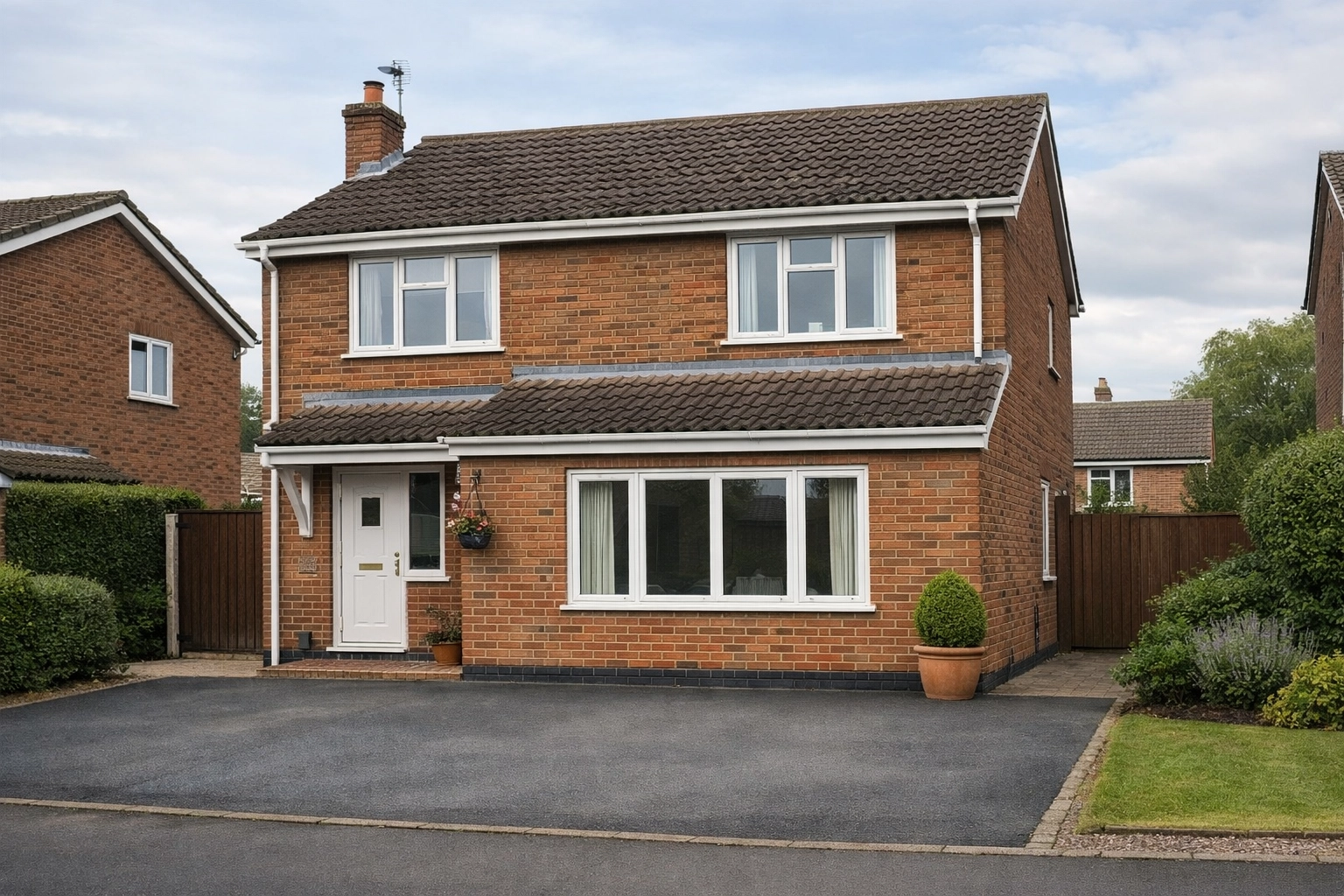
If you find yourself parking the car on the driveway while your garage slowly fills up with old paint tins, rusted gym equipment, and boxes you haven’t opened since 2012, you aren’t alone. Here at Parker Grears Developments Limited, we see it all the time across Hinckley and Nuneaton.
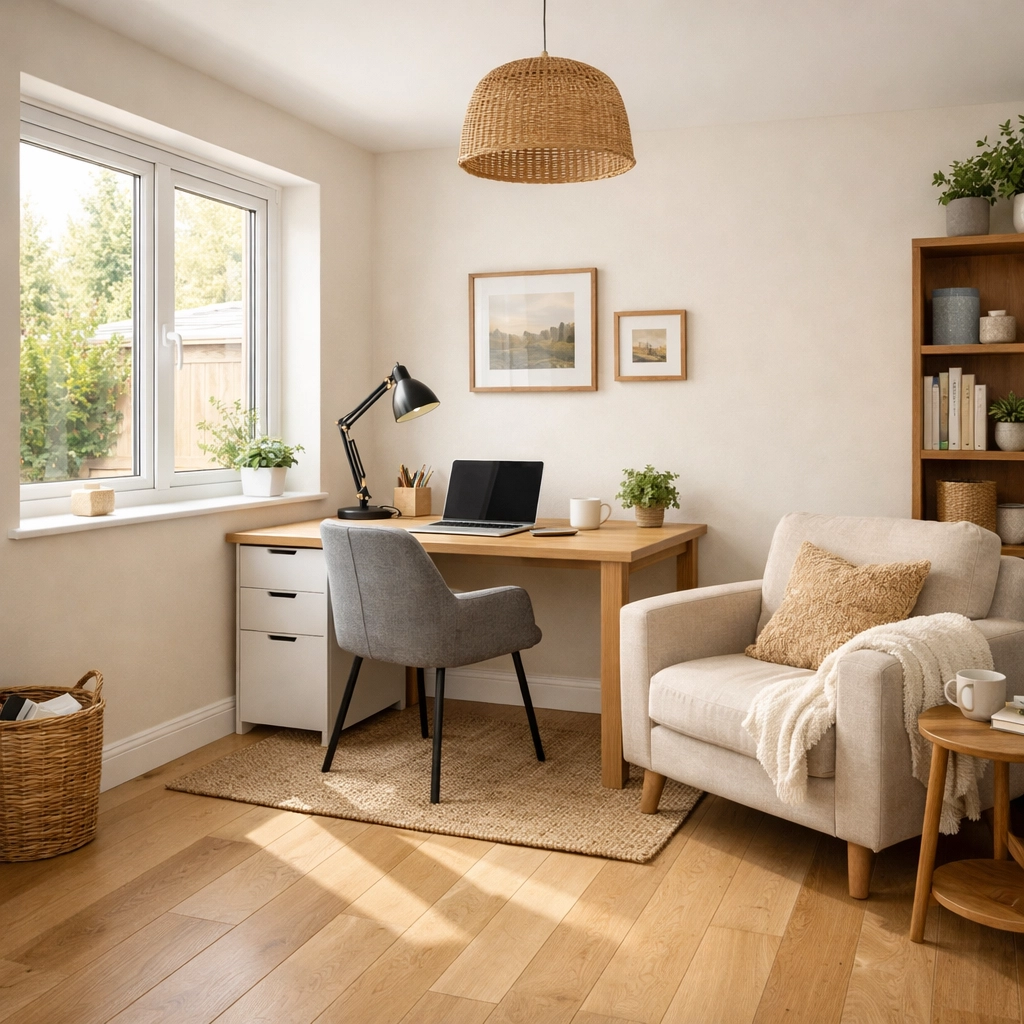
A garage conversion is one of the smartest ways to add usable square footage to your home without the stress or expense of a full-blown extension. Whether you’re dreaming of a quiet home office, a playroom for the kids, or a sleek new guest suite, converting that underutilised space is a game-changer.
However, before you grab a sledgehammer, there are a few things you need to know. Based on our years of experience working on local homes, we’ve put together this guide to the 10 most important things to consider for your Hinckley garage conversion.
1. Does It Need Planning Permission?
The short answer for most homeowners in Hinckley is: probably not. Most garage conversions fall under Permitted Development, meaning you don’t need to go through the full planning application process as long as you aren’t increasing the footprint of the building.
However, there are exceptions. If you live in a conservation area, a listed building, or if your housing estate has "Article 4 Directions" that restrict changes to the exterior, you’ll need to check with Hinckley & Bosworth Borough Council. Even if you don’t need full permission, we always recommend applying for a Lawful Development Certificate. This is a piece of paper that proves your conversion was legal, which is essential when you eventually come to sell your house.
2. Identifying Your Garage Type
Not all garages are created equal, and the type you have will dictate the cost and the complexity of the build.
- Integral Garages: These are built into the main structure of your house. These are usually the easiest and cheapest to convert because the walls and roof are already part of the main building.
- Attached Garages: These share at least one wall with your house but have their own roof. These are slightly more complex as we often need to look at structural support where the two buildings meet.
- Detached Garages: These stand alone. Converting these is often the most expensive because you have to run electricity, water, and heating across the garden to the structure.
3. Understanding the Budget
Let’s talk numbers. We know that budget is usually the first thing on everyone's mind. In the Midlands, and specifically around Hinckley, garage conversions are generally more affordable than in the South, but prices vary based on the scope of work.
Research shows that a standard integral garage conversion in our area typically ranges from £7,500 to £12,500. If you have an attached garage, you’re looking at more like £10,000 to £20,000. Detached garages start at a minimum of £17,500 and can go much higher if you're looking for a luxury guest annexe with a bathroom.
At Parker Grears, we pride ourselves on transparent pricing. We’ll give you a clear breakdown so you know exactly where your money is going, from the structural work to the final lick of paint.
4. Building Regulations are Mandatory
Even if you don’t need planning permission, you must comply with Building Regulations. This isn't just red tape; it's about making sure the room is safe, warm, and structurally sound.
Building control will want to see details on:
- Structural integrity: Making sure the new floor can handle the weight.
- Fire safety: Ensuring there are proper fire doors and escape routes (especially if the garage connects to a hallway).
- Ventilation: Making sure the room doesn't become a damp box.
- Drainage: If you’re adding a sink or a toilet.
We handle the building control notifications for our clients to ensure everything is signed off properly at the end of the project.
5. Insulation: Comfort is Everything
A garage was built to house a car, not a person. This means the original walls and floor usually have zero insulation. If you don't get this right, your new room will be freezing in the winter and a sauna in the summer.
To meet modern standards, we usually build a "room within a room." We add high-quality insulation to the walls, the ceiling, and, most importantly, the floor. Garage floors are typically just a concrete slab, so we lay a damp-proof membrane followed by thick insulation and a new screed or floorboards to keep your toes toasty.
6. Dealing with the "Step Down"
Have you noticed that your garage floor is usually lower than the floor in the rest of your house? This is a common feature designed to prevent oil or fuel spills from leaking into the home.
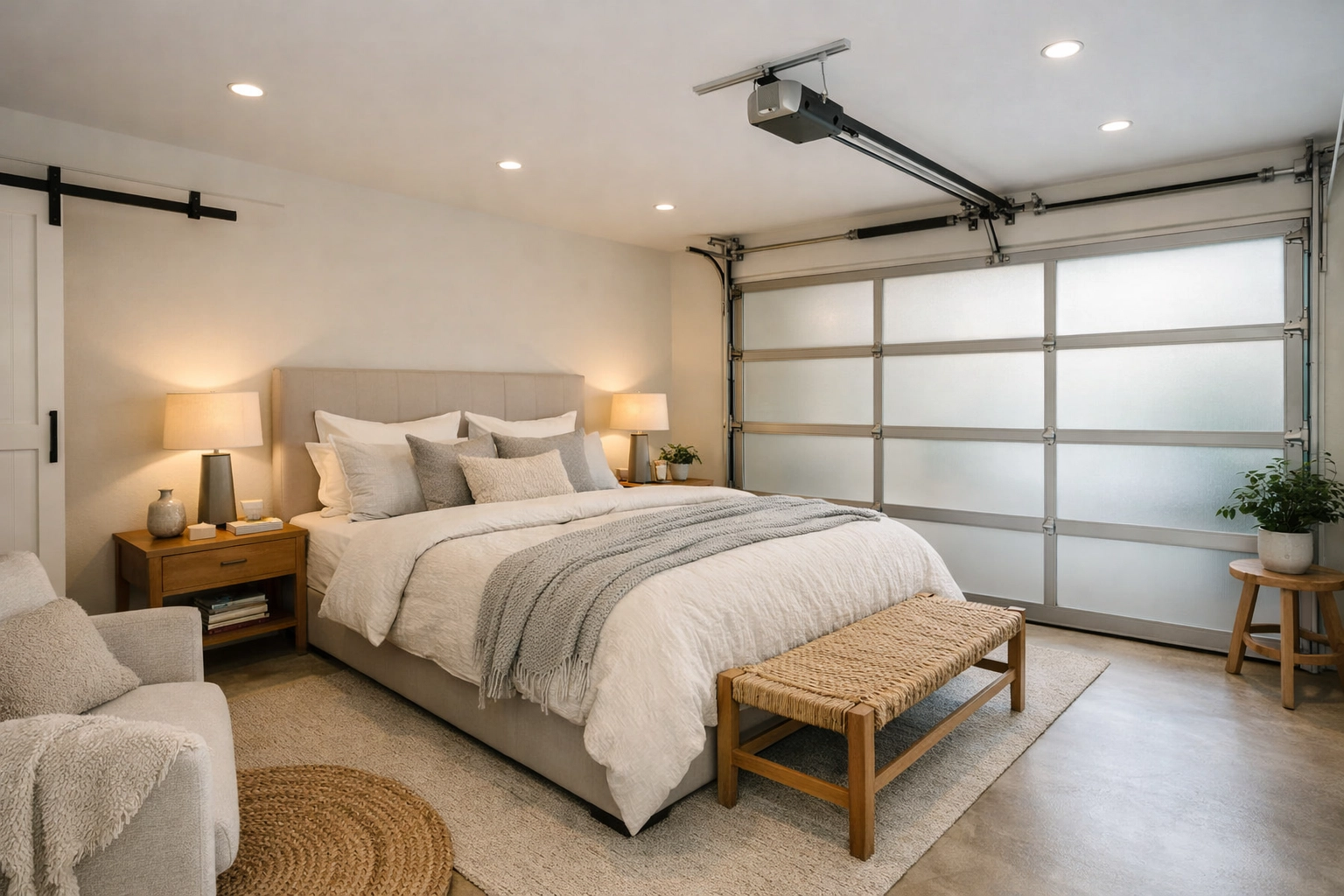
When we convert the space, we usually raise the floor level to match the rest of the house. This creates a "seamless flow," making the conversion feel like a natural part of the original home rather than an afterthought. If the ceiling height is an issue, we can sometimes leave the step, but matching the levels is always our preferred choice for aesthetics and accessibility.
7. Natural Light and Windows
Nobody wants to live in a dark cave. Replacing the garage door with a large window or a set of French doors is the most common way to bring in light.
The trick is making the new window match the rest of your house. We work hard to find bricks that match your existing masonry and window frames that match your current ones. If it’s a detached or attached garage, we can also look at adding roof lights (like Velux windows) to flood the space with sunshine.
8. Does It Actually Add Value?
This is a question we get asked a lot. In most cases, yes! Converting a garage into a functional living space can add between 10% and 15% to the value of your property.
However, there is a caveat. In some parts of Hinckley where parking is at a premium, losing a garage might put off some buyers. But let’s be honest: most modern garages are too small for modern cars anyway. A usable 15-square-metre home office is almost always more valuable to a buyer than a narrow storage room they can't fit their SUV into.
9. The Timeline: How Long Does It Take?
One of the best things about a garage conversion is how fast they are compared to other construction projects. Because the "shell" of the building is already there, we aren't at the mercy of the British weather as much as we would be with a traditional extension.
Generally, a standard garage conversion takes about 4 weeks from the day we arrive to the day we pack up our tools.
- Week 1: Structural work, floor prep, and stripping out the old door.
- Week 2: Insulation, stud walls, and "first fix" electrics and plumbing.
- Week 3: Plastering and flooring.
- Week 4: "Second fix" (fitting sockets, radiators, and lights) and final joinery.
10. Why Local Expertise Matters
Choosing a builder who knows the Hinckley and Nuneaton area is vital. We understand the local housing stock, we know the local planning officers, and we have a reputation to maintain in our own community.
At Parker Grears Developments Limited, we don't just "do" garage conversions; we transform homes. We’re a friendly, local team who takes pride in our craftsmanship. We treat every home as if it were our own, ensuring the site is clean, the work is top-tier, and the customer is happy.
Ready to Start Your Project?
If you're ready to stop using your garage as a glorified junk drawer and start using it as a beautiful new part of your home, we’d love to help.
We can walk you through the options, provide a detailed quote, and help you visualise exactly what’s possible with your space. Whether you’re in the heart of Hinckley, Nuneaton, or the surrounding villages, give us a shout.
Please submit your details via our website to book a free consultation.
Visit us at https://parkergrears.com to see our recent work and learn more about how we can help you grow your home.
FunctionalPreferences: We'll be adding some real-life photos of our recent Hinckley projects to this post very soon so you can see the Parker Grears quality for yourself!